1,000+ leads a month, answered in under two minutes.
The problem we solved
Five properties, one sales team, and leads going cold before anyone replied. Demand was being paid for and then lost.
Brand context. A boutique hotel and staycation group with five properties. Each sells a different stay, but one central sales team handles every booking over phone and WhatsApp.
1,000–1,300leads / month
₹26–44per converted lead
1–2 minfirst response
Why it was hard
- Fragmented demand. Five audiences and five occupancy calendars, but budget had to move to whichever property had rooms to fill that week.
- Leakage at hand-off. Leads landed in forms and inboxes. By the time sales replied, guests had often booked elsewhere. In our experience, response time is the single biggest driver of lead-to-booking rate in hotel lead generation.
- Optimising for the wrong number. Cheap form fills look good in Ads Manager but don’t book.
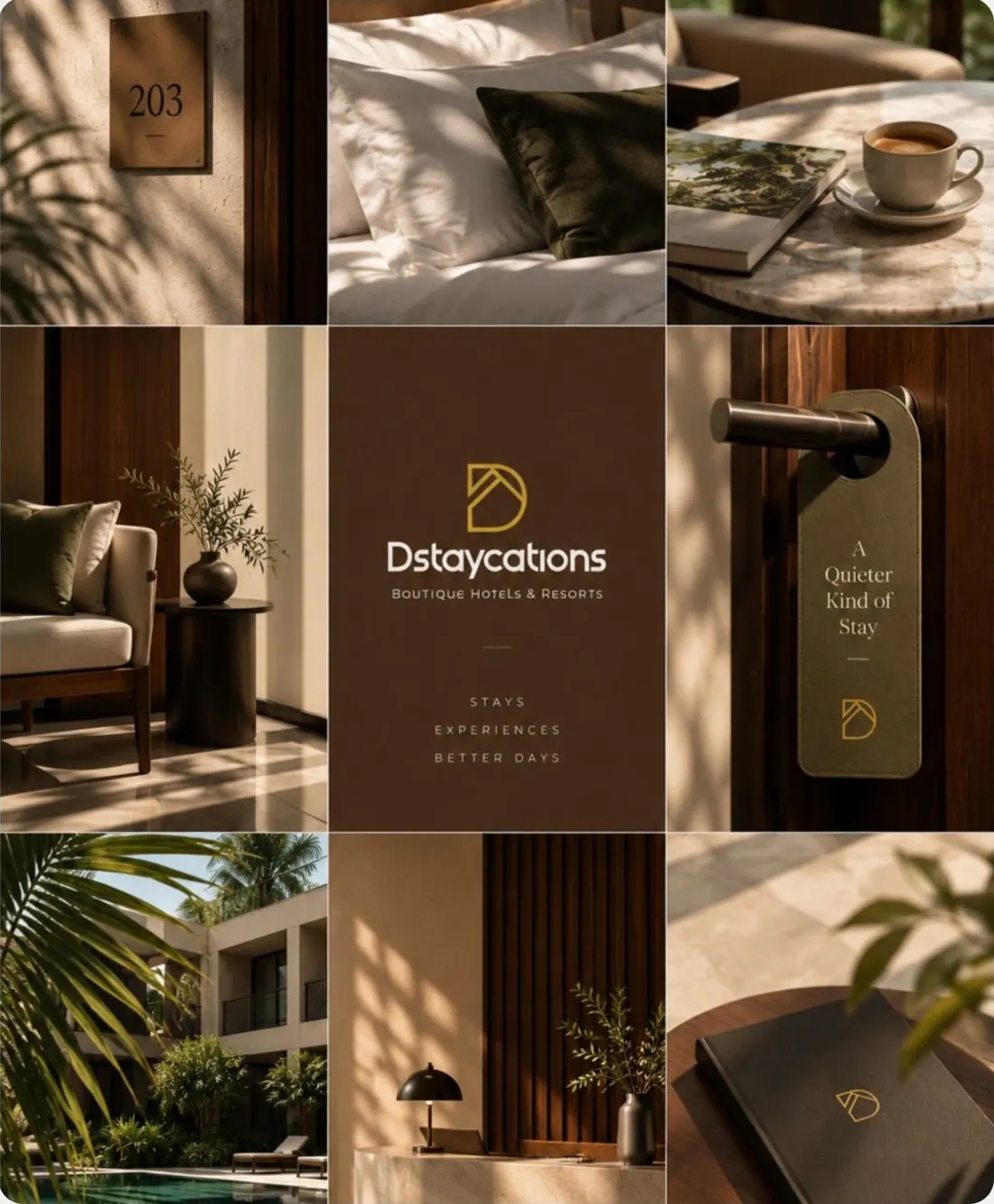
- No shared creative system, so ads across properties didn’t read as one premium group.
What we built
- Brand visual system — one identity and ad creative kit across all five properties.
- Property-level Meta Lead Ads architecture — campaigns split by property so spend follows occupancy.
- Direct-to-WhatsApp lead routing — every lead lands with sales instantly, in one queue.
- Optimisation to cost per converted lead — creative and audiences judged on leads sales confirmed.
Results
| Properties | 5 |
|---|---|
| Lead volume | 1,000–1,300 / month |
| Cost per converted lead | ₹26–44 ≈ $0.30–0.50 |
| Median time to first response | 1–2 minutes |
| Lead-to-booking rate | 10–15% |
| Bookings generated | ≈ 100–195 / month derived: leads × booking rate |
| Duration | 12+ months, ongoing |
Technical note
Fix the hand-off before buying more traffic. Cutting first response to 1–2 minutes is what lets a 10–15% booking rate hold at 1,000+ leads a month. Optimising to converted leads keeps the algorithm away from low-intent form fills.
Read the full breakdown
Why it was hard, the system we built, the complete results table and our technical notes.